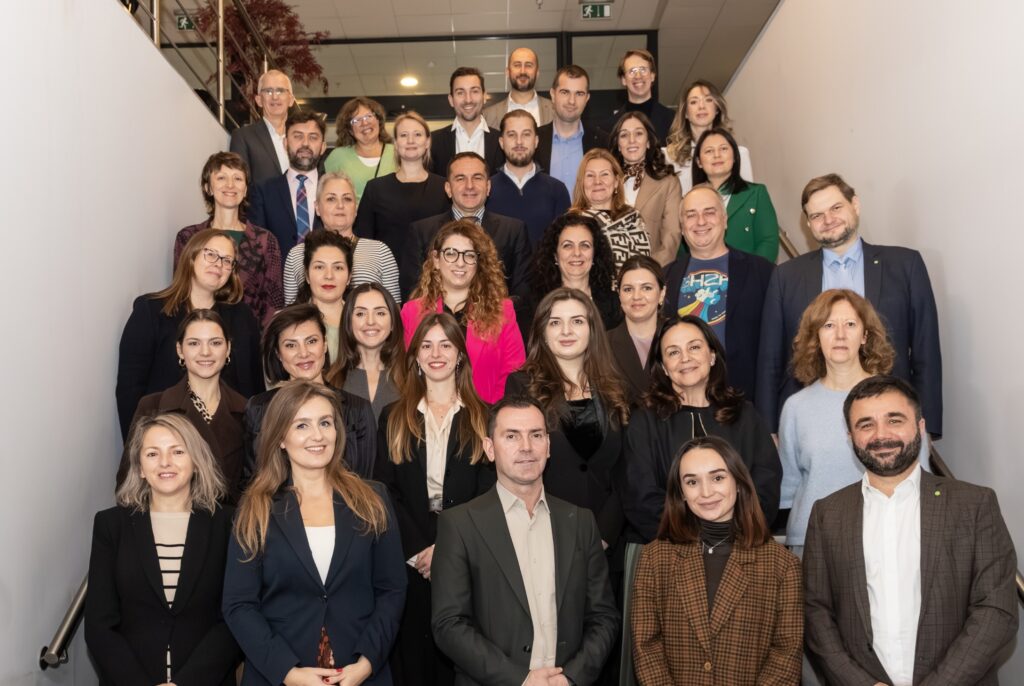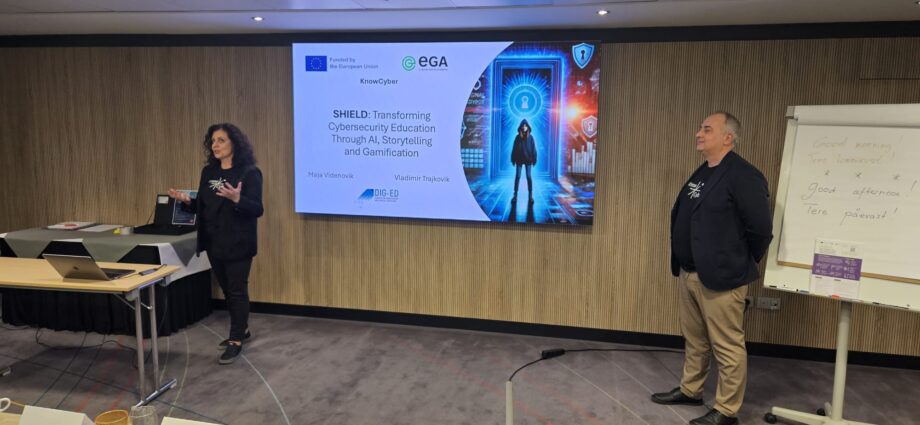
At the end of November, Brussels became a meeting place for some of the most dedicated people working to strengthen cybersecurity in the Western Balkans. Among them were Maja Videnovik and Vladimir Trajkovik, who represented the Center for Innovations and Digital Education Dig-Ed at the Third Workshop on Cybersecurity Legislation and Governance, organized within the EU-funded Cyber Balkans project, which supports the Western Balkan region in strengthening cybersecurity capacities and aligning with EU standards.
For five days, from 24 to 28 November 2025, the corridors of the Thon Hotel Brussels City Centre buzzed with discussions about cyber hygiene, governance models, legislation, and the role of civil society in making the digital world safer. For Dig-Ed, this workshop was more than a professional gathering, it was an opportunity to contribute to a growing regional movement committed to building a more resilient digital ecosystem. Also it was a chance to bring the voice of educators, researchers, and young learners into the regional cybersecurity conversation and to showcase how innovative, playful learning can transform the way students understand and practice cybersecurity in real life.
As part of the KnowCyber grants programme, Dig-Ed joined other civil society organizations in sharing their experiences, lessons learned, and challenges. Maja and Vladimir had the opportunity to share the journey behind SHIELD, our KnowCyber project that reimagines how students learn about cybersecurity. During the joint CSO–policymaker session, they presented how SHIELD uses AI-driven storytelling, and gamification to turn traditional lessons into engaging, meaningful experiences. Dig-Ed explained that SHIELD was developed after recognizing that students require more immersive and relevant approaches to cybersecurity education. To meet this need, the project designed narrative-based activities, collaborative game scenarios and digital escape rooms that actively involve learners in identifying and managing online threats. Maja and Vladimir shared how SHIELD has already made a visible difference in schools. Students who once viewed cybersecurity as a dry topic now approach it with curiosity and confidence, while teachers report more active discussions, better retention, and a safer atmosphere for talking about real digital problems. Looking ahead, Dig-Ed plans to expand the network of trained teachers, adapt the SHIELD model for additional cybersecurity topics, and continue researching its effectiveness through conferences and publications. The long-term goal is to scale SHIELD nationally and regionally, helping more schools build safer and more engaging digital learning environments. The Brussels audience recognized SHIELD as a practical, innovative model that can support safer online learning across the region.
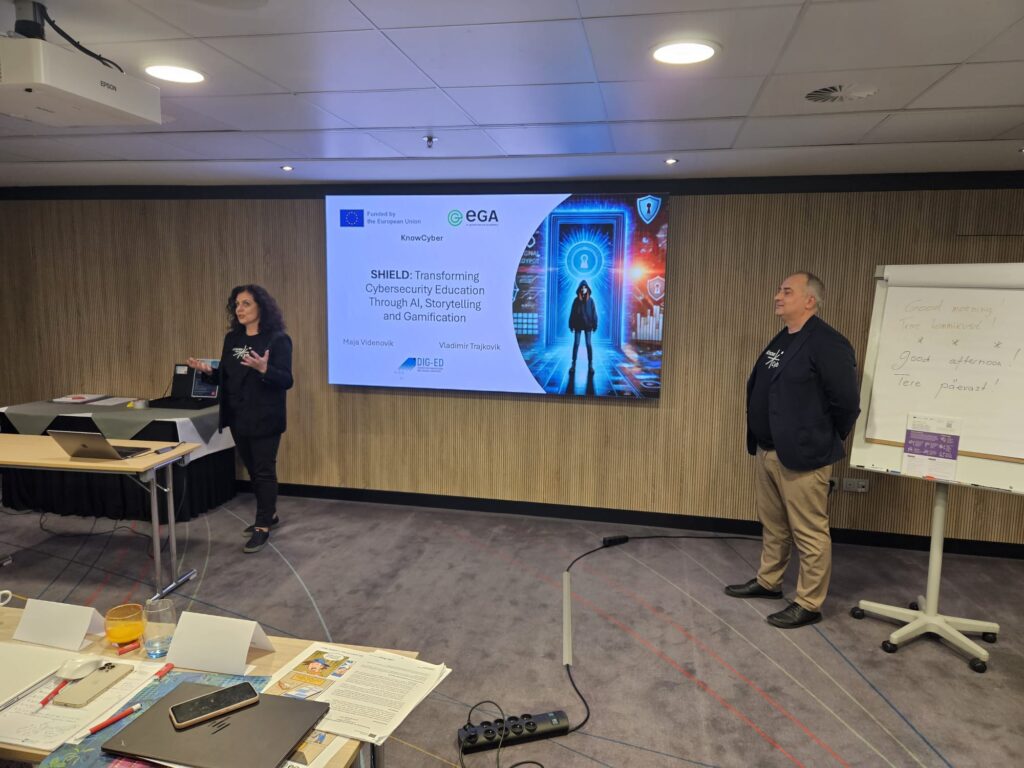
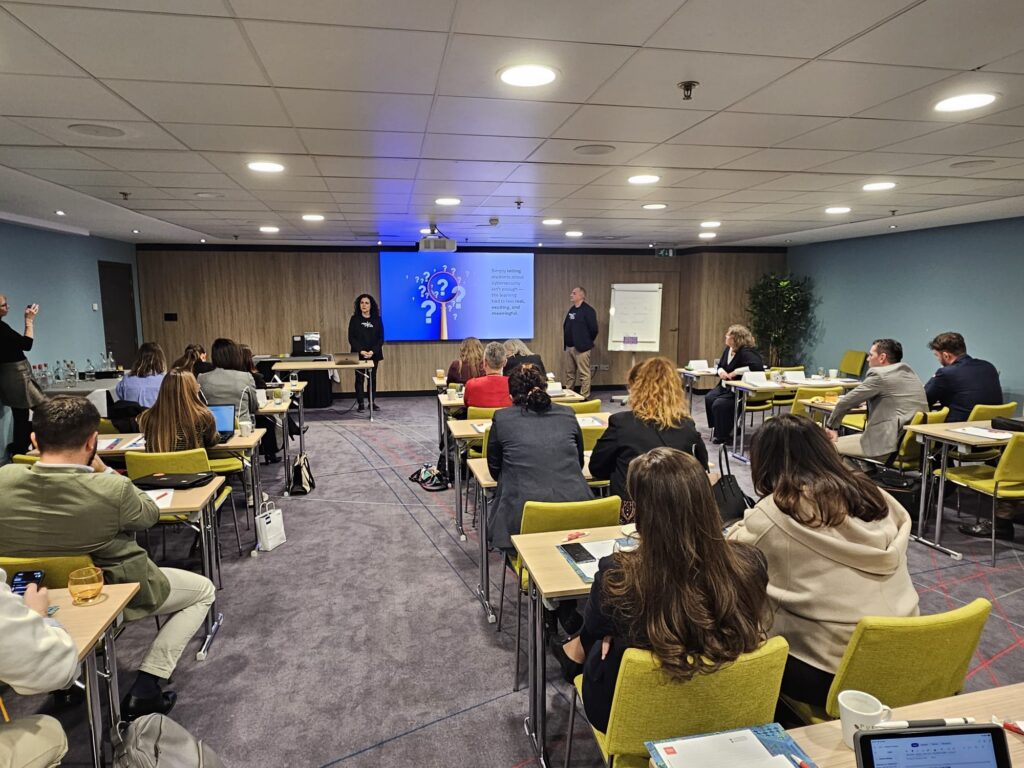
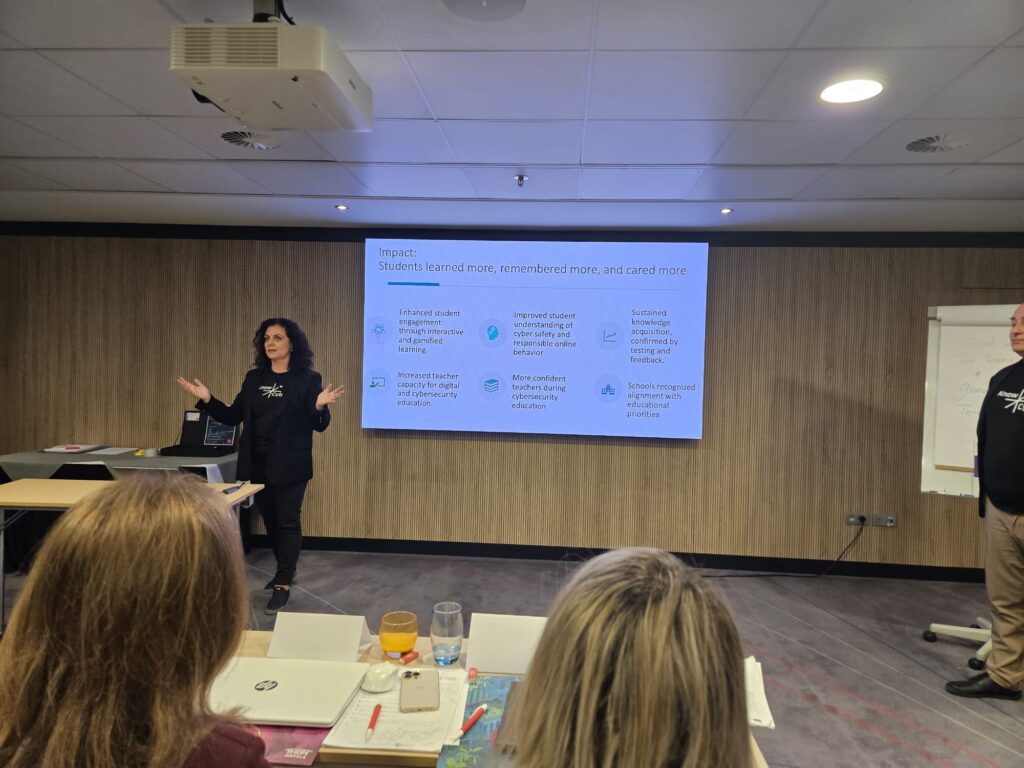
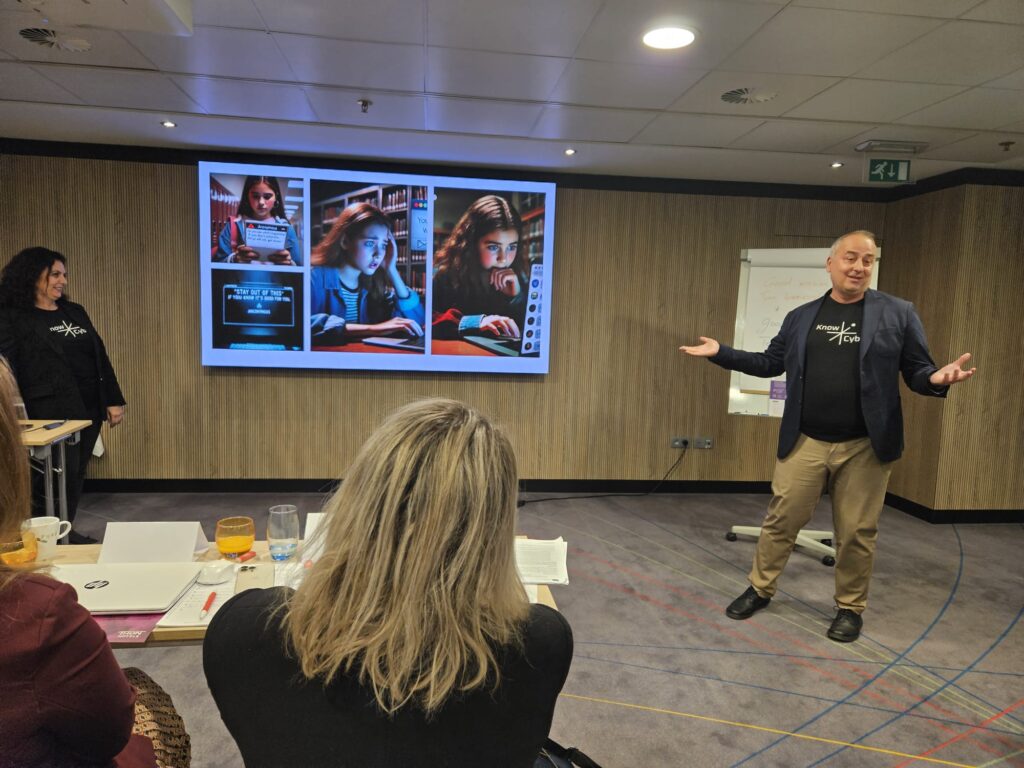
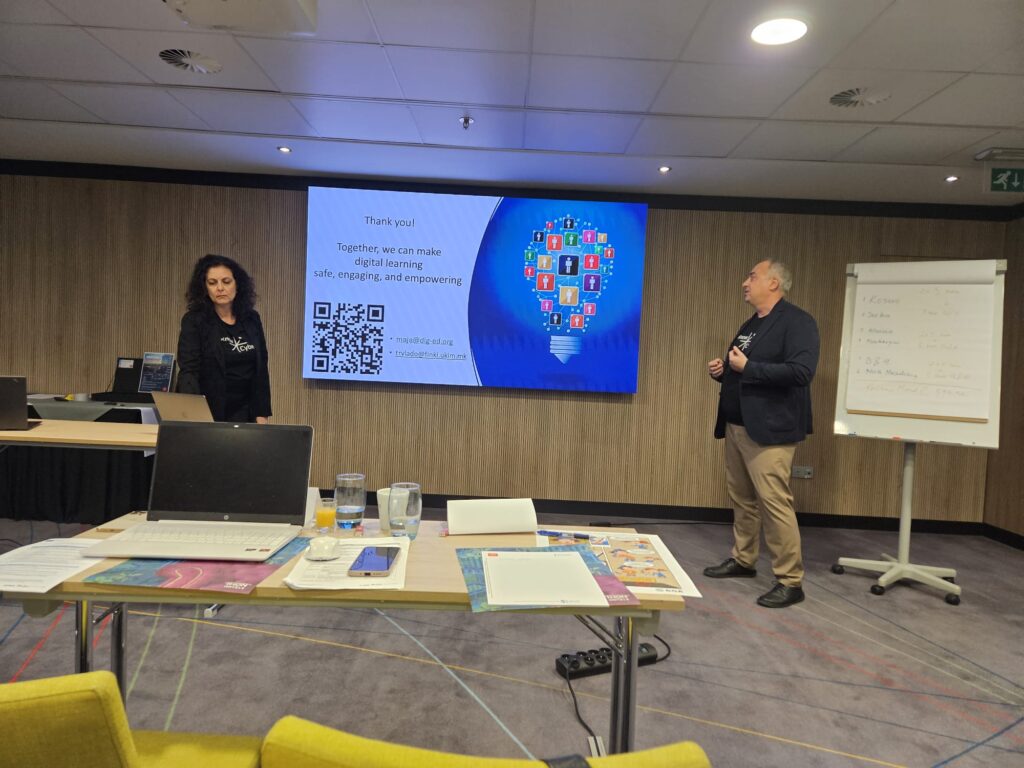
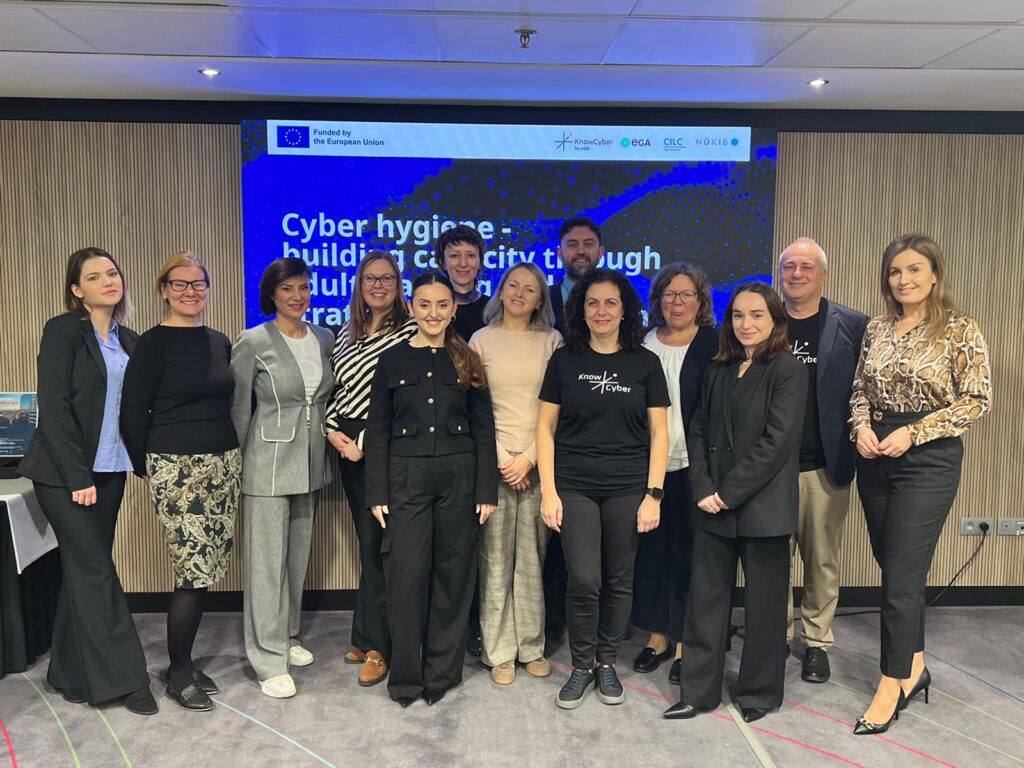
The joint CSO–policymakers session convened KnowCyber grantees, national legislators, and representatives of EU institutions for an open exchange on advancing cybersecurity governance across the Western Balkans. During the session, Dig-Ed collaborated with representatives from the Ministry of Digital Transformation, contributing insights from their project experience and local engagement. The discussion reinforced the importance of inclusive, multi-stakeholder cooperation and demonstrated how civil-society perspectives can meaningfully inform and strengthen evidence-based cybersecurity policies that align with EU requirements and best practices.
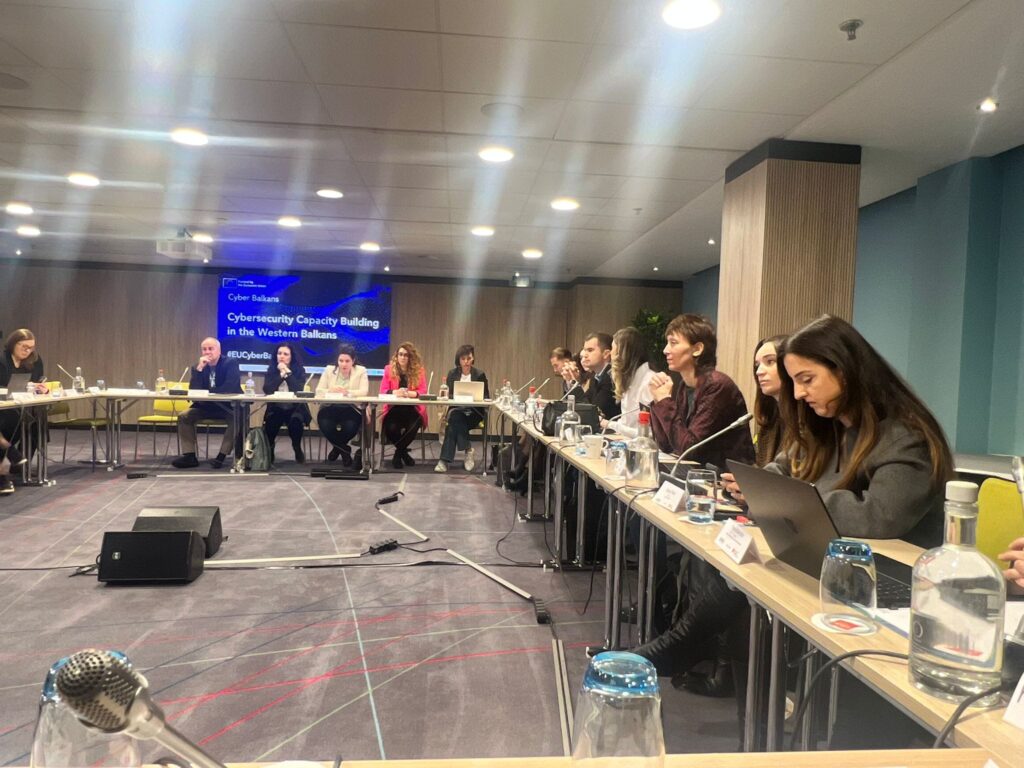
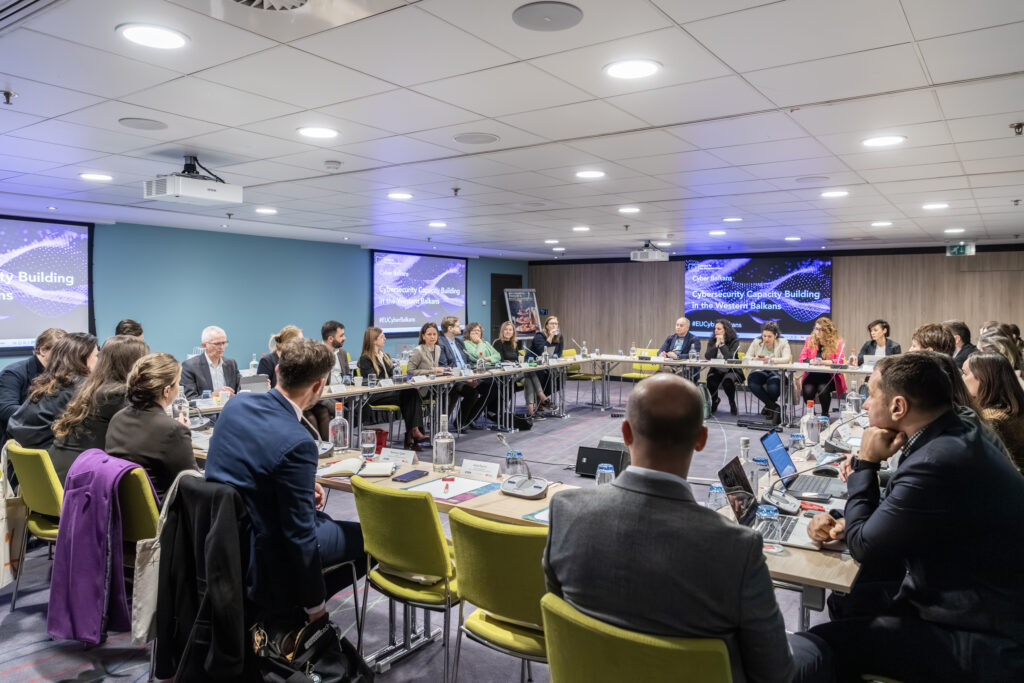
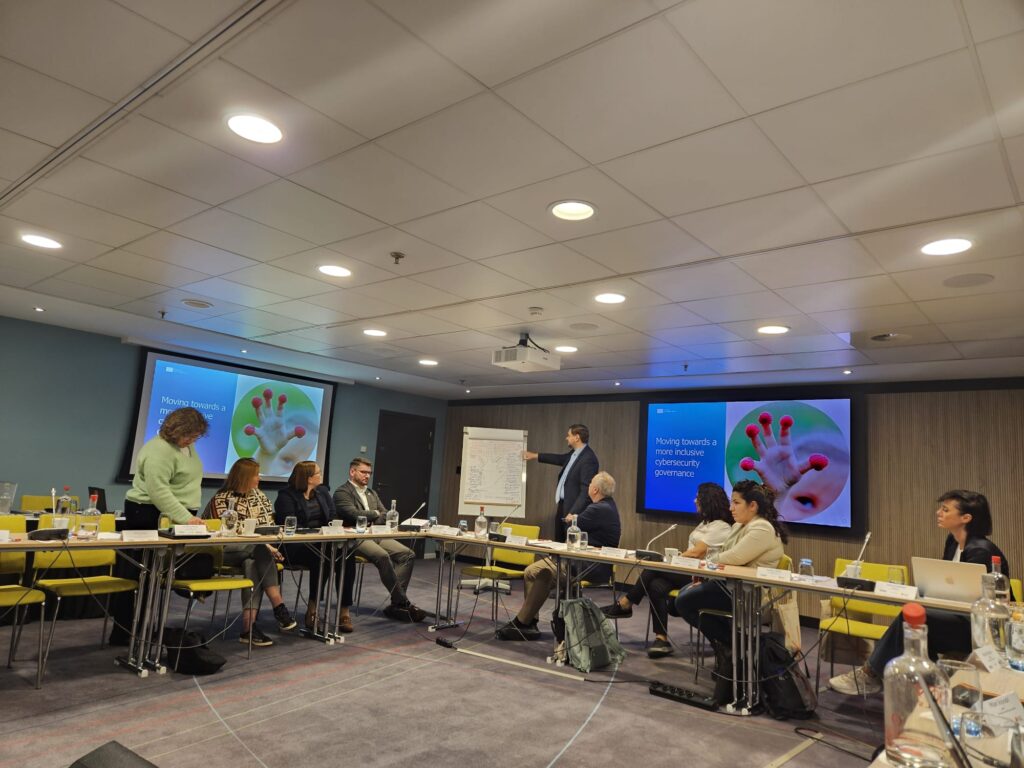
The week unfolded through a blend of workshops, panel discussions, and study visits. One of the highlights was the session on cyber hygiene and adult learning, where experts from the e-Governance Academy introduced practical approaches for engaging different audiences. Another valuable part of the programme was a presentation outlining the EU’s support mechanisms for civil society organisations in the Western Balkans. The session provided an overview of available funding schemes, upcoming opportunities, and the strategic role CSOs play in advancing digital resilience and cybersecurity awareness.
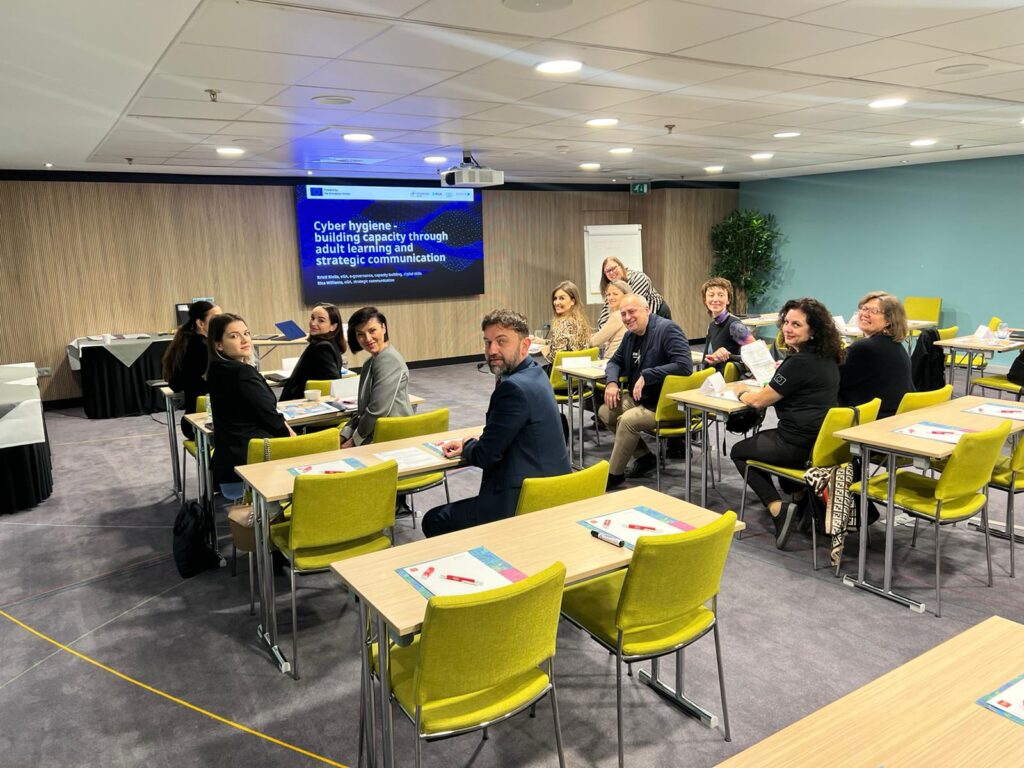
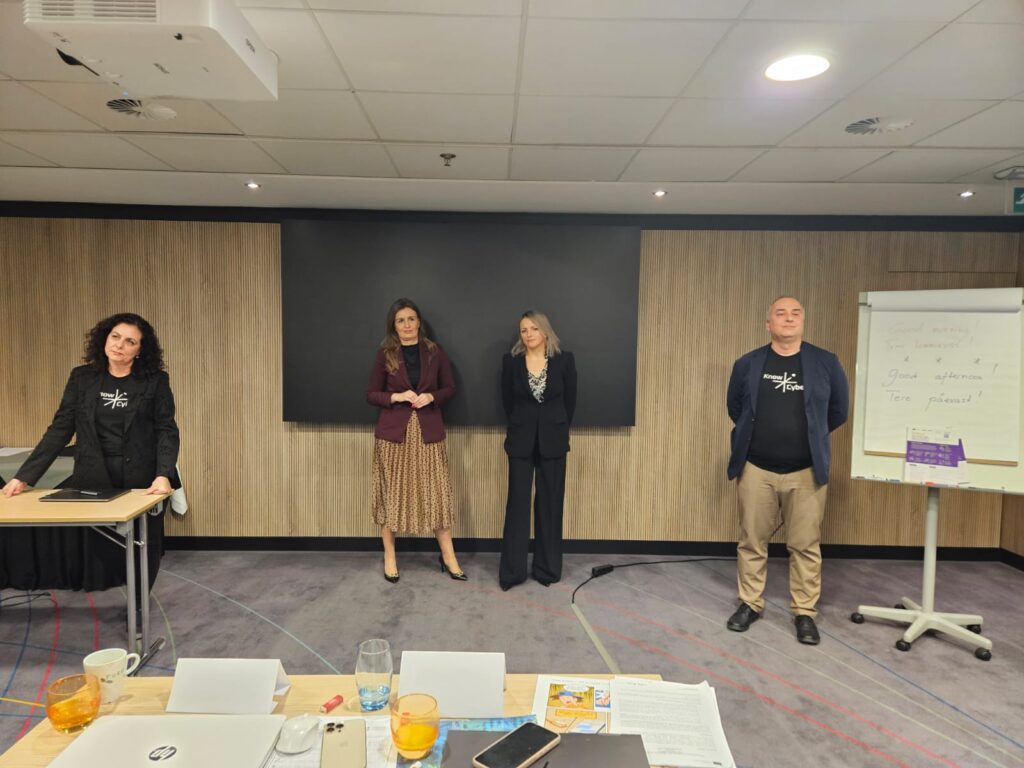
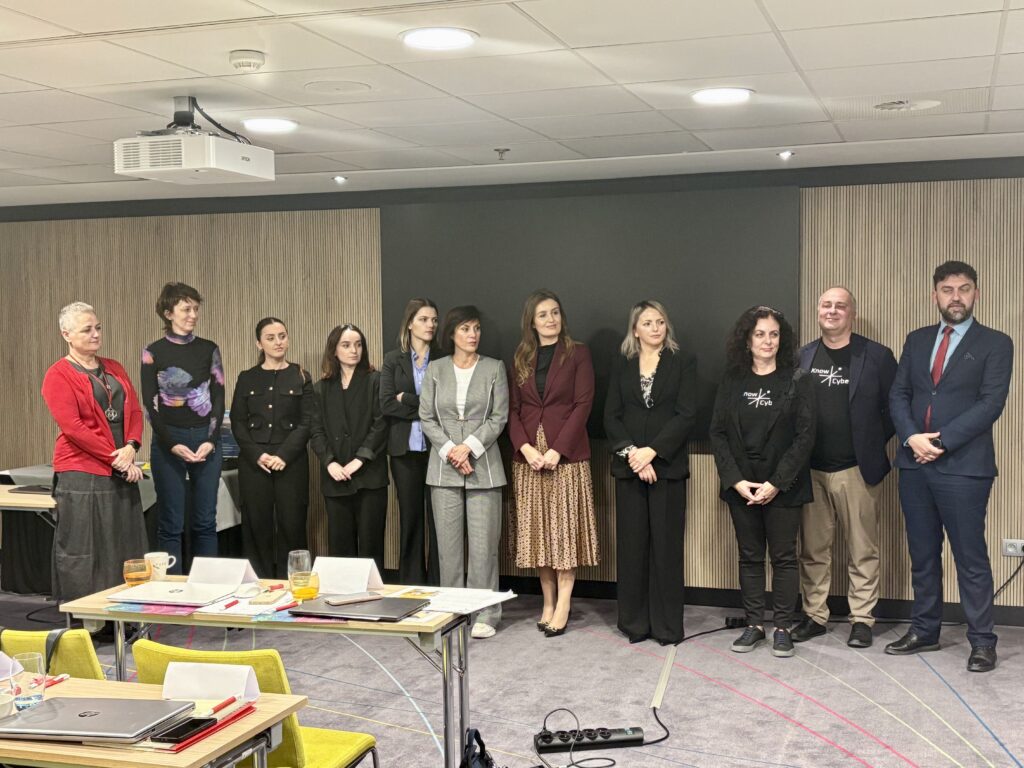
The workshop also provided space for conversations with policymakers about the progress and challenges of NIS2 transposition across the region. These exchanges shed light on how civil society and public institutions can work together more effectively to improve national cybersecurity ecosystems.
Beyond the formal sessions, the study visits added a unique dimension to the programme. Meetings at organizations like CEPS and All Digital opened windows into the Brussels-based policy world, offering perspectives on how European organizations support digital transformation, research, and inclusive capacity building. For Dig-Ed, these visits sparked new ideas for future collaborations and reinforced the importance of cross-sector partnerships in cybersecurity.
The Brussels workshop was not only about sharing knowledge, it was about connecting people who care deeply about the same mission. Maja and Vladimir returned with new insights, stronger partnerships, and renewed motivation to continue promoting digital literacy and cybersecurity awareness in North Macedonia.
For Dig-Ed, this event is another step in a long-term commitment: helping create a safer, more informed, and more resilient digital environment for everyone in the Western Balkans.